
What you can do in Vidorena


Business



What you can do in Vidorena
Business

Table of contents
Almost every question new users have about billing comes down to one thing they were never quite told: what a credit is and why the number moves. It takes about two minutes to understand, and once you do, you stop guessing about why one clip cost more than another and start making deliberate choices about where your budget goes.
What a credit actually is
A credit is a unit of generation. Everything you create in the studio, a video, an image, an edit, a piece of audio, spends some number of credits, and you always see that cost before you commit to it. Think of credits less like money and more like the meter on a machine: the heavier and longer the job, the more it ticks. Nothing is charged in the background, and nothing generates without you knowing the price first.
What drives the cost
Three things move the number. The model you use is the biggest lever: a fast, lightweight model costs a fraction of a flagship one, because it is doing far less work. Length is the second: a longer clip is more frames to render, so it costs more or less in proportion. Resolution is the third: a 4K master is more expensive than a 720p draft of the exact same shot.
None of this is hidden, and none of it is arbitrary. Once you can see those three dials, the price of any job stops being a surprise and becomes something you can plan around.
Making your monthly allowance last
Every plan includes a pool of credits that refills each month. The single best habit for making that pool last is to draft cheap and finish expensive. Explore an idea on a fast model at a lower resolution, try a few directions, get the composition and the motion right while it is cheap, and only spend a flagship, high resolution render on the version you have actually decided to keep. Most wasted credits are spent polishing shots that were never going to make the final cut.
This is also why the studio does not force you onto one model. Having a cheap model for drafts and a premium one for finals in the same place is not a limitation, it is the whole point, and using both deliberately is what separates a month that runs dry on the twentieth from one that comfortably lasts.
Topping up when you need more
If you run low in the middle of a project, you do not have to upgrade your whole plan. Credit packs top up any plan instantly and never expire, so a heavy month does not turn into a permanent bill. On business plans, Growth and above can also buy credits at a volume discount, which matters when a whole team is drawing from the same pool during a busy campaign.
The short version: credits are simple once you can see the three dials that move them. Draft on the cheap ones, finish on the good ones, and top up rather than over-buy. Do that and billing quietly takes care of itself.
Keep reading
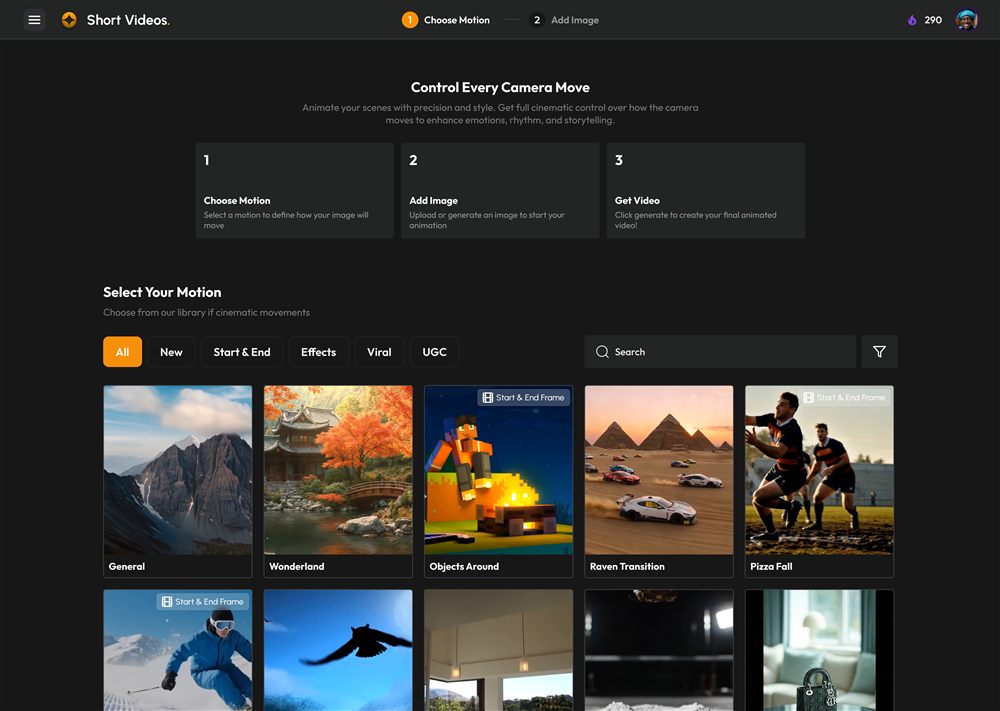
Make your first video in Vidorena
First stepsFrom an empty prompt box to a finished clip in a few minutes. The clearest path through the studio for your very first render, and the small habits that make everything after it easier.
Read article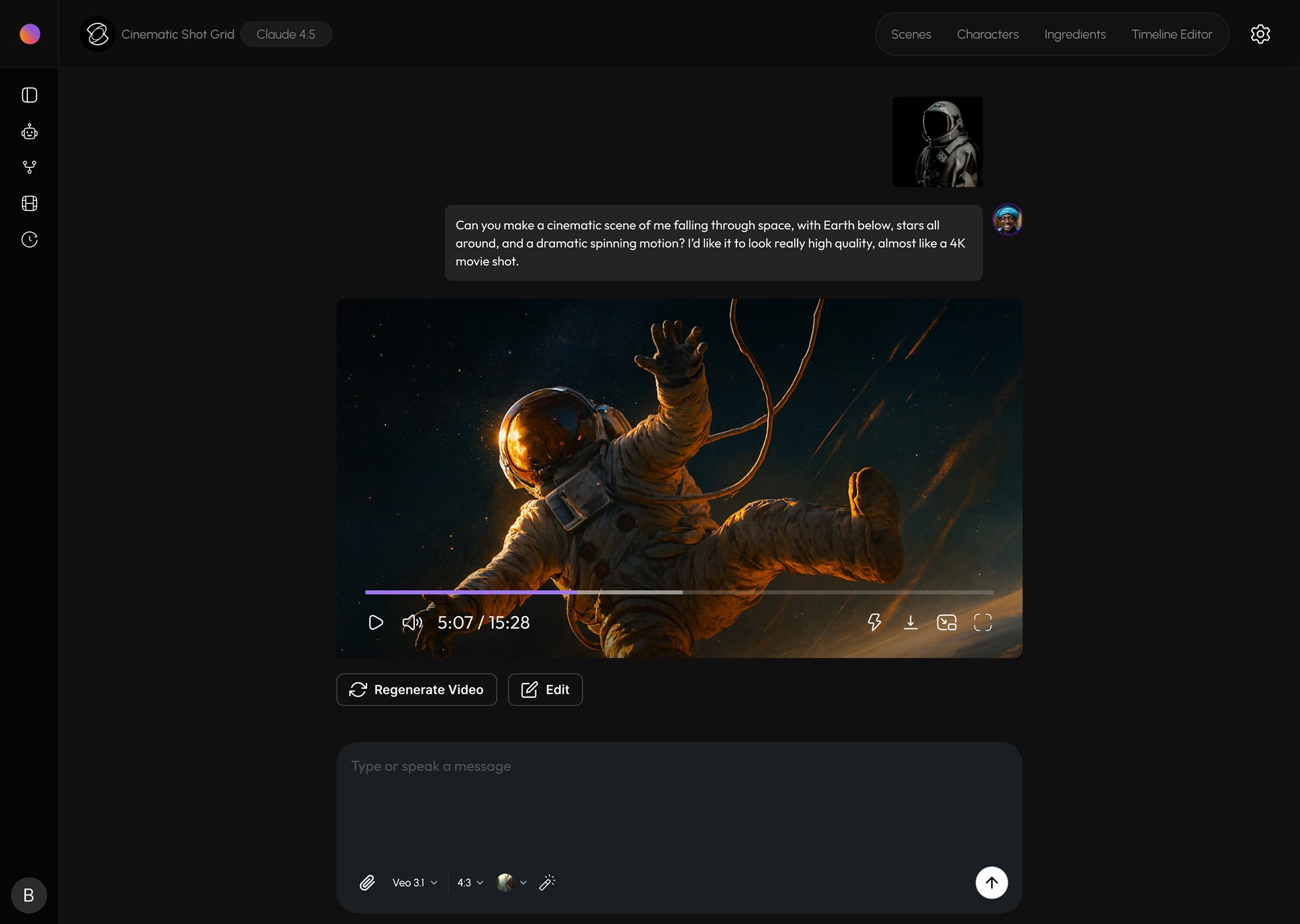
Direct a scene in Agent Studio
Agent StudioAgent Studio turns a conversation into a shot list, characters and finished footage. Here is how to work with it like a director rather than a search box.
Read article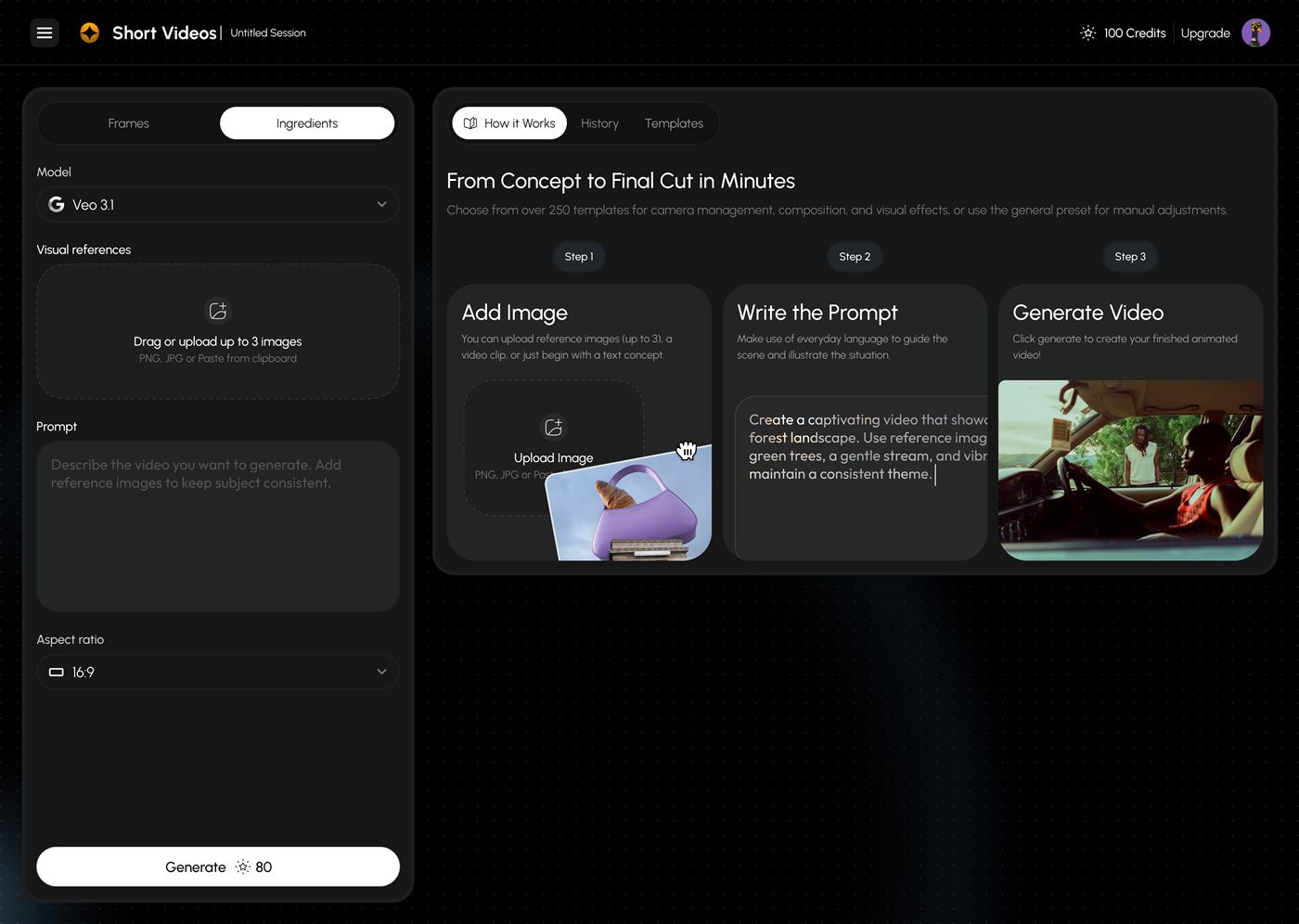
Write prompts that get cinematic shots
Short VideosThe phrasing that reliably nudges video models toward intentional, camera-aware output. A short field guide to the patterns behind almost every strong result.
Read article